

Why Truck‑First Overlanding Builds Are Taking Over: What You Need To Know Before Your Next Rig
Overlanding is exploding in North America, and with roughly 47% of overlanders now running mid-size or full-size trucks instead of SUVs, truck‑first builds are clearly dominating the market. If you are planning your next rig, starting with a pickup platform is quickly becoming the practical choice for real-world adventure, reliability, and gear capacity.
Key Takeaways
|
Question |
Answer |
|---|---|
|
Why are truck‑first overlanding builds dominating? |
Trucks offer better payload, frame strength, and mounting options for racks, campers, and towing systems, which is why gear and parts in our Overlanding & RV collection are largely truck focused. |
|
What core components define a truck‑first build? |
Suspension, cooling, bed storage, towing hardware, and reliable power systems, all supported through our broad all products catalog. |
|
How much do overlanders usually spend on builds? |
One in four overlanders invests $20,000 or more in their rigs, which is why we stock parts that balance durability and value, from shocks to fans to rack systems. |
|
Can I start with a basic truck and grow over time? |
Yes, most gear spending falls in the $1,000–$3,000 per year range, and our truck bed and accessory options in Truck Bed accessories are ideal for staged builds. |
|
Do I need upgraded cooling and electrical for overlanding? |
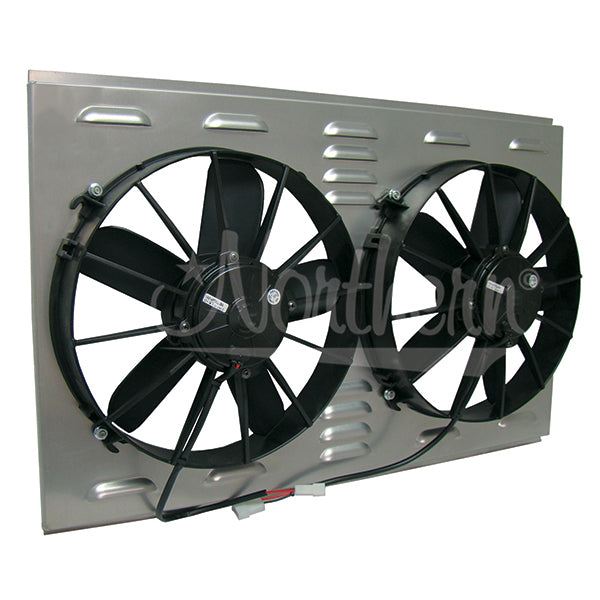
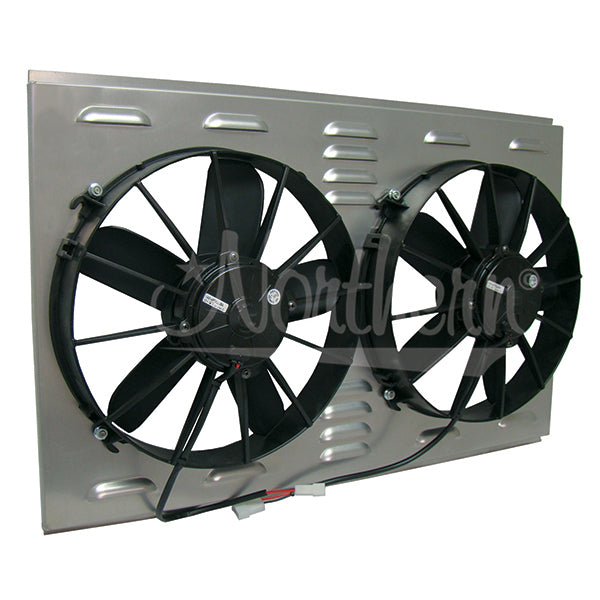
For loaded trucks on slow trails, upgraded cooling like the Northern Radiator dual 12 inch fan helps keep temps in check when airflow is poor. |
|
Are modern EFI systems worth it for an overland truck? |
Yes, cleaner fueling and easier cold starts from setups like the FiTECH Go EFI 4 kit add reliability on long trips. |
|
Where can I get help planning a truck‑first build? |
We are a small-town shop that loves overland projects, and you can always reach our team directly through our contact page for friendly, practical advice. |
1. Why Truck‑First Overlanding Builds Dominate Today’s Trails
Trucks have quietly become the backbone of modern overlanding, outnumbering SUV platforms as more drivers demand real payload, bed space, and towing capacity. As overlanding participation climbs toward a projected 12 million Americans in 2025, that shift is reshaping which parts, racks, and systems are leading the market.
We see it every week in our own shop, where most overland customers roll in with mid-size and full-size pickups ready for suspension, bed, and towing upgrades. The industry is responding, from heavy duty racks to specialized cooling, and truck‑specific gear is where manufacturers are putting their energy.


For you as a driver, that means better support, clearer upgrade paths, and a lot more choice when you build on a truck chassis instead of forcing an SUV to do heavy truck work. Truck‑first rigs are no longer just for hardcore rock crawlers, they are the new normal for families, weekend warriors, and long-haul travelers.
2. Trucks vs SUVs: Payload, Capability, And Why 47% Choose Pickups
When you compare trucks and SUVs for true overlanding use, payload is usually the deal breaker. By the time you bolt on a rooftop tent, fridge, drawer system, water, and spare fuel, many SUVs are already brushing against their rated limits.
Most half-ton and three-quarter-ton pickups start with a payload advantage that keeps them within safe limits once fully built out. That extra headroom helps protect brakes, bearings, and cooling systems when you hit washboard roads or steep grades with a loaded rig.


Trucks also give you an open bed to safely carry fuel cans, firewood, and dirty recovery gear outside the cabin. When we help customers choose platforms, the combination of safer load handling and cleaner interior space is a big reason we guide many toward truck‑first builds.
3. Bed Racks, Storage, And Mounting: The Heart Of A Truck‑First Rig
The real magic of a truck-first overland build sits above and inside the bed. Bed racks, tonneau‑compatible rack systems, and hard‑mounted accessories are much easier to implement on a pickup than on a unibody SUV roof.
Systems like the TRUXEDO 1118570 Elevate FS Rack, at CA$1,329.99, are a good example of how the market is tuning hardware specifically for trucks. This rack gives you adjustable crossbars for tents, kayaks, or cargo boxes while still allowing bed access.

With a strong rack, you can run a rooftop tent up high and keep heavier items like water and recovery gear lower for better center of gravity. We like to think of the bed and rack as the backbone of the build, and the rest of the truck is there to support that payload reliably.
This infographic breaks down the five core components shaping the rise of truck-first overlanding builds. It explains why this approach dominates the market.
4. Suspension And Ride Control: Building A Truck That Can Carry The Load
Once you stack a few hundred extra kilograms of gear on your truck, stock shocks start to show their limits. That is why upgraded dampers are usually one of the first serious investments in a truck‑first overland build.
Products like the Fabtech FTS6341 Stealth Monotube shock, at CA$177.99, are built with a 46 mm piston and vehicle‑specific valving aimed at trucks running oversized tires. In practical terms, that means more control on washboard and less bounce when the bed is stuffed with gear.


On more advanced builds, drivers combine coil overs, leaf packs, and helper systems to fine tune ride height and support. Our role is to match components to your actual payload and tire size instead of just chasing lift numbers.
Did You Know?
Approximately 95% of overlanders modify their rigs, which keeps suspension, tire, and load-support upgrades at the center of most truck-first builds.
5. Cooling And Reliability: Keeping A Heavy Truck Happy On Slow Trails
Overlanding is tough on cooling systems. Low trail speeds and long climbs mean less airflow through the radiator, especially when you have a front bumper, winch, and lights partially blocking the grille.
For heavier truck builds, upgraded electric fans are a smart insurance policy. The Northern Radiator Z40082 Dual 12 Inch Electric Fan, at $791.99, is designed as a high‑CFM package that works with compatible harnesses to keep temps stable when stock clutch fans struggle.
We also stress simple, unglamorous maintenance like fresh coolant, clean radiators, and correct fan clutch operation. A truck‑first build is only as good as its ability to idle for long periods without boiling when you are spotting someone through a technical section.
6. Power, Fueling, And Electrical: Truck‑Focused Upgrades For Long Trips
Many overlanders start with older trucks because they like the simplicity and lower buy‑in. For those rigs, modern fuel injection kits bring cold‑start reliability and better altitude compensation to long journeys.
The FiTECH Go EFI 4 600 hp Basic Kit, at $1,423.99, is a throttle‑body EFI system with 80 lb/hr injectors that bolts to a standard square‑bore intake. It is popular with truck owners who want carb‑like simplicity with modern drivability.


On the electrical side, high‑quality batteries and good wiring practices matter more than flashy accessories. A strong starting and house system keeps fridges, lights, and winches running without stranding you in the backcountry.
7. Brakes, ABS, And Control Systems: Stopping Big Loads Safely
As trucks take on more weight, braking performance becomes a safety issue, especially on steep gravel descents. Modern ABS and stability systems help, but only if the underlying hardware and sensors are in good shape.
That is why we treat ABS sensors and control modules as core reliability components, not afterthoughts. Our ABS & Sensors collection includes solutions like remanufactured ABS control modules and wheel speed sensors that restore factory function on aging trucks.


We advise truck owners to service brake fluid, check pad life, and verify ABS operation before long trips. With heavier builds, downhill braking is one of the most demanding parts of the journey, and a truck‑first platform gives you larger rotors and more robust components to start with.
Did You Know?
The light-truck segment is forecast to account for close to 80% of all new-vehicle sales by 2027, with pickup trucks alone making up nearly 50%, which means even more factory-ready platforms for future overland builds.
8. Towing, Racks, And Multi‑Use Trucks: Overlanding Plus Work And Family Duty
Most of our customers need one truck to do it all. That means commuting during the week, hauling tools, and then heading for the hills with a camper or trailer on the weekend.
Hardware like the CURT 60639 OEM Puck System 2-5/16 in Gooseneck Kit, at CA$281.99, is tailored for modern trucks with factory puck mounts. It gives you a clean, secure way to tow gooseneck campers or trailers while keeping the bed usable when you unhook.
This is one place where trucks simply have more options than SUVs. A pickup gives you a true tow platform plus a configurable bed and rack system, which makes it easier to justify investing in quality parts.
9. Tools, Maintenance, And Trailside Repairs For Truck‑First Builds
Overlanding rigs live hard lives, and even the best‑built truck will eventually need attention on the road. We encourage every driver to carry a basic tool kit and a few spares, especially for older platforms.
The Gearwrench 80601 magnetic swivel spark plug socket set, at $115.49, is a good example of tools that make truck maintenance easier. Its swivel design lets you reach tight plugs on V8s and modern heads without fighting the firewall.
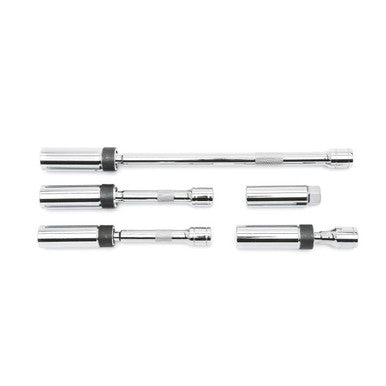
We also recommend carrying fluids, belts, and fuses suited to your particular truck. A little preparation with the right tools can turn a potential tow into a simple roadside fix that keeps your trip alive.
10. Budgeting Your Truck‑First Build: Where To Spend First
With so many upgrade options, it is easy to overspend or buy in the wrong order. Since most gear investments land in the $1,000–$3,000 annual range, planning your build in stages helps keep it realistic.
We like to prioritize safety and reliability first, then comfort and convenience. A simple starting order for many truck‑first builds looks like this:
-
Baseline maintenance and inspection
-
Suspension and tires sized for your true payload
-
Bed rack and storage for your core camping setup
-
Cooling and electrical upgrades for longer trips
-
Nice‑to‑have gear like extra lighting and onboard air

Our team is always happy to walk through your goals, budget, and platform so you can build a truck that works for your life, not just for social media photos. Starting with the right priorities keeps your truck reliable, comfortable, and fun to drive even when fully loaded.
Conclusion
Truck‑first overlanding builds dominate the market for a simple reason. They handle weight, offer better mounting options, and line up with how most of us actually use our vehicles day to day.
From suspension and cooling to racks, towing gear, and tools, the aftermarket has clearly shifted its focus toward truck platforms. As your small‑town parts store with more, we are here to help you sort through those options and build a truck that is reliable on the highway, confident on the trail, and ready for every trip you have planned next.